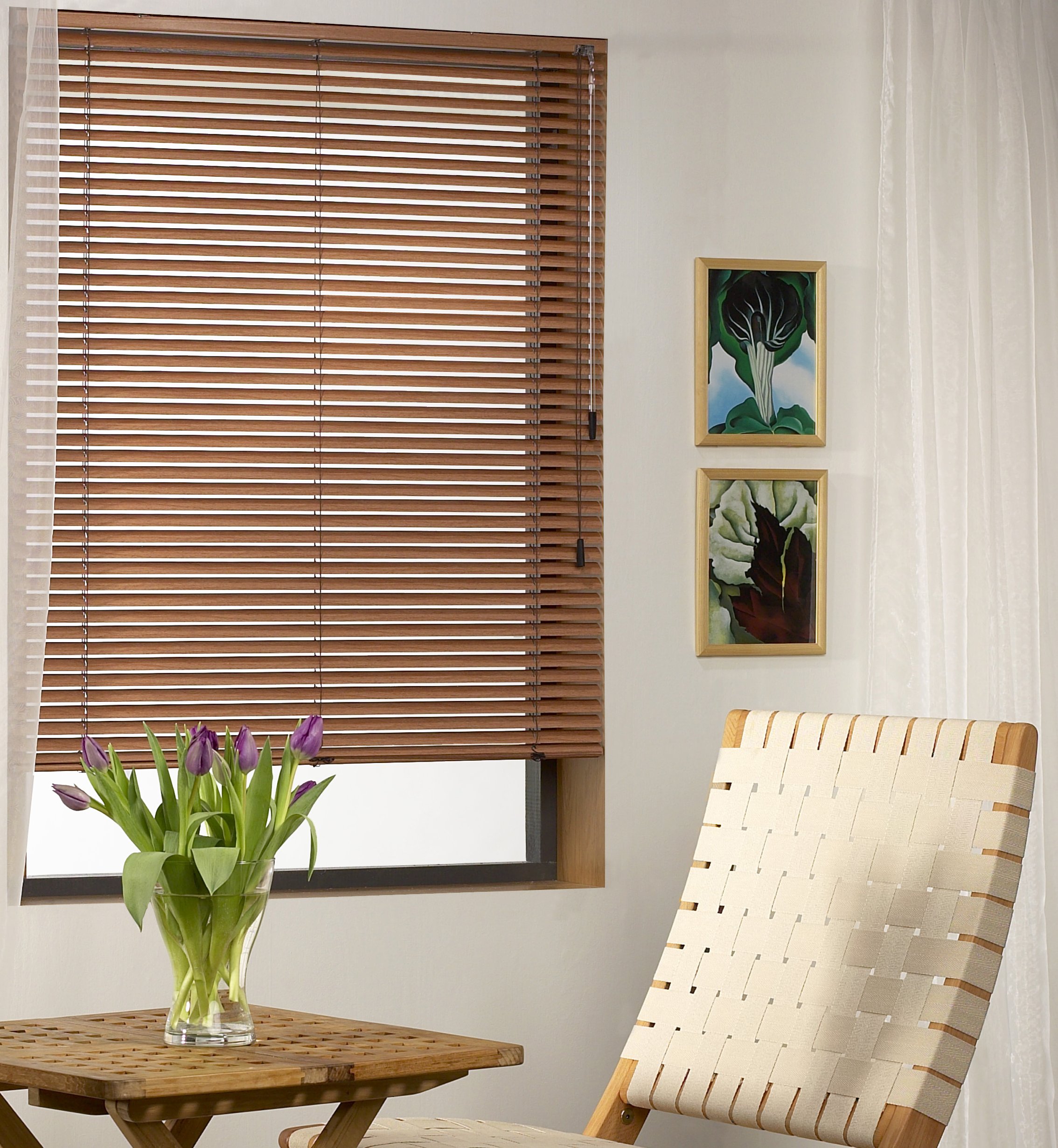
In the quest of Australia's the ultimate in home comfort, we often focus on big-ticket items. The blinds that you place on your windows can be a significant factor in energy efficiency. They're often forgotten. Windows are the primary source of heat gain during our hot summers and heat loss during cold winters. The best window furniture is not only for fashion or for privacy. They can also have an effect on the thermal performance of your home, which can be evaluated as a percentage of your budget as well as your carbon footprint. The secret lies not in the material, but the design that's concealed to reflect and hold heat.
For you to understand the opportunity and the challenge, it is important to understand first what the problem is that is the physics. Glass is an awful insulator. In the summer, it functions as a magnifying lens allowing shortwave solar radiation to pour into your home, which is absorption by your flooring and furniture, and then re-radiated as longwave heat, now being trapped within the house, causing the infamous greenhouse effect. When it is cold, the reverse happens; precious warmth from your heater escapes directly through the cold glass pane. Blinds that are single-layer, simple vinyl or fabric piece, provide a moderate protection. They may be able to block glares, but they are not able to stop the heating from convecting. It's the designs that make use of trapped air and reflective technology that really make a difference.
This is the time when two distinct blind designs come into the spotlight as unsung homeowners' heroes thermal-backed roller blinds, and honeycomb (or cellular) blinds.
The Thermal-Backed Roller Blinds: The Reflective shield
Think of them as foil bags that you would use for your windows. The addition of a metallic or other layer on the fabric back transforms a standard blind into a powerful thermal source. This layer is crucial. If the blinds are closed during summer, the reflective coating will face towards the outside. It is a kind of mirror that reflects the sunlight's heat before it reaches the glass. This is an active defense. In winter, this same principle is also effective. When the blind is open, the reflective surface faces your room. It reflects radiant heat and bounces it back to your home. This simple, elegant and highly efficient method transforms the blind's function into a thermostat. Look for blinds that have a "Total Solar Energy Rejected (TSER)," which defines the amount of solar energy that is rejected. Thermal-backed blinds, specifically, is able to block more than 70 percent of the heat that comes from the sun.
Honeycomb (Cellular) Blinds The Insulating Trap.
Honeycomb blinds provide insulation due to their unique structure. Thermal blinds reflect light, while honeycomb blinds provide insulation. The hexagonal pattern of their cells, that resembles beehives, isn't only a design element. These cells are mini-insulators. When the blinds are closed, the vertical columns create pockets of air. When it is static, air is among nature's finest insulation materials. It's also the reason behind double-glazed windows and cavity wall insulation. The air pockets that are trapped create an extremely strong barrier between your room and the window glass. They drastically slow the transfer of heat in both directions. In the summer heat wave, the glass is heated to a blistering temperature, and it takes a while for the air to be warmed. The glass's icy temperature will keep your space warm on cold winter days. Double-cell designs create a greater air barrier with two layers of stacked cells. Honeycomb blinds have a dual-season design. They can keep the heat from entering or out.
To maximize your energy savings potential, it is not enough to just buy the right product. It is a matter of judicious use. The seal is crucial. Gaps can reduce efficiency. It is essential to have professional installation and measuring done. A blind properly mounted in a recess inside the window (inside mount) provides superior sealing on all four edges than one hung directly above the frame. To help guide the blind during face-fitting, side channels may be installed. This will eliminate light and air gap. It is also essential to operate. The blinds should be fully closed during peak heating times in order for them to block the summer sun. To keep warm during winter, close them immediately after the sun goes down. They will function as a insulating drape over the drafty entranceway.
When consulting with suppliers, shift the conversation from just colour and cost-per-square-metre. Be sure to ask questions that are technical. "What is the R value, or the insulating rate of this honeycomb cell design?" "Does the roller blind come with a thermal backing that has a reflective surface and what percentage of it?"
The financial argument is convincing. While the initial cost for superior honeycomb or thermal blinds is higher than for standard models, they should be viewed as an investment over the long term rather than an expense. The reduced workload and consequently lower operating costs can be significant. The energy bill savings can exceed the cost of blinds over their life generally about a decade. You are not only purchasing window blinds and a lower and less frequent bill for energy.
It is important to choose energy-efficient shades for a resilient and green Australian home. It is about using intelligent design to help our climate adjust, instead of fighting against it. It offers a quieter and more relaxing living space with fewer drafts and more consistent temperatures. A hidden layer provides a significant amount of energy efficiency to your home, in this day of increasing prices and environmental awareness. It's a simple upgrade that can pay back year after year in cash and comfort. Follow the top blinds for blog recommendations including custom built blinds, perfect fit blinds direct, high blinds, aq blinds, your blinds, custom fit blinds, blinds direct how to fit, custom built blinds, online blinds, blinds perfect fit and more.
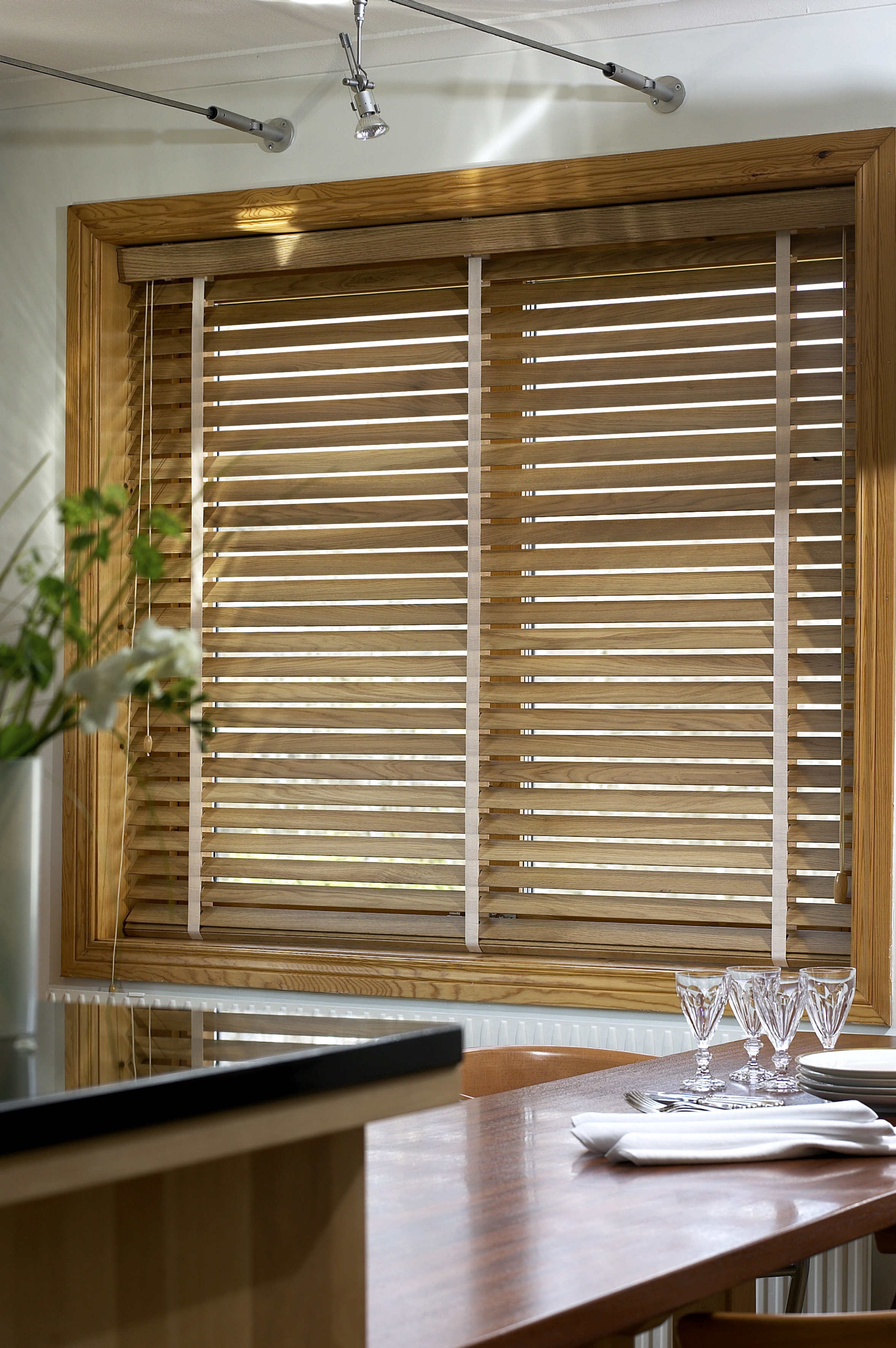
The Real Test Is: What Happens Once Your Blinds Have Been Installed?
In the Australian blinds market the moment of installing often feels like the finish line. The blinds arrive and the furniture is put on your windowsill and the installer then drives out. The supplier's true responsibility begins with this point, not once the product is used daily and exposed to the sun's harsh rays. The second part of the purchase contract is often unwritten. It covers the quality of the installation itself, the guidance for ongoing care and the commitment to repair or adjust when things, inevitably, require attention. It is in this area that transactions can be transformed into a long-term partnership and where a supplier's true character is revealed.
Installation is the initial and foremost pillar in after-sales services. Professional installers aren't just fitters, but also the ultimate quality controller. Their work directly impacts the lifespan and operation of your blinds. A reputable service will guarantee that the installer is a member of staff or a long-time subcontractor, not just an unreliable person hired on the internet. The installers are equipped with the appropriate tools to work on your home substrate, whether it's double-brick or steel stud. The installers will install each child safety device and not just give you the pieces. They will show you how to operate the blinds as well as the best method of securing cords to cleats and how to program a remote. It is crucial to clean the area thoroughly, so that there is no trace of debris. And before they leave, they should give a contact point--a direct line or an email to the local office and not a nationwide call centre. This kind of finishing is the first experience you have of care after leaving; it sets the tone for everything that comes after.
After the installer has left then the second pillar appears: proactive maintenance advice. Blinds shouldn't be put up and then left to rot. Their lifespan is largely determined by the way you take care of and clean them. Suppliers who are invested in long-term customer satisfaction will not leave it to chance. It must include written guidelines for the material you choose. These aren't general rules but specific recommendations. For instance they might advise that you should not use oil-based cleaners on Venetians or wood Venetians. Or how often should you vacuum honeycomb blinds in order to ensure that dust doesn't accumulate in their cells. They may give suggestions on making adjustments to your blinds during the season. For example they might recommend checking the cord tension before the start of summer. Or ensuring motorised window blinds are connected to their chargers. This is a preventative step, designed to prevent frequent issues that could lead to premature wear or warranty issues. It signals a supplier who considers your blinds to be an investment in the long run rather than a disposal sale.
Even with the highest quality installation, maintenance and care You will require the third pillar, which is accessible repair assistance - at some point. A cord can break and a motor might be sluggish, or a slat may be damaged. This is the ultimate test for their post-sales strategy. The most important thing to consider is do they have a local, responsive system for service? A reputable organization will have a local service coordinator, or someone who is experienced and has a good understanding of your previous work. They should be capable of diagnosing problems on the phone and arranging for a prompt visit by a technician carrying common parts, and executing warranty claims with no argument. Alternatives, such as an organization that will send your repair to an unknown handyman, or refers you to the website of an overseas manufacturer, could cause frustration and delay.
This support system is vitally important for intelligent and motorised systems. The technology adds another level of complexity. Does the technician from the company you choose be certified to detect any issues with connectivity between your motorized blind and home hub. Are they able to repair a battery or update firmware efficiently? Their after-sales capabilities must be in line with the quality and sophistication of the products that they sell. There is a chance of being left with a liability if a company only sells automation, but does not have the technical support required to keep it running.
The need to inquire about this area is crucial when vetting potential suppliers. Don't simply inquire "Is warranty and installation included?" Ask specific, scenario-based questions. "If there is an issue after six months of the installation of the blind, what happens?" Who should I first contact?" "Do you store spare parts for your motor systems locally or do you order them from abroad?" "Do you charge call-out fees for repairs under warranty?" Answers will indicate how well prepared they are. A confident, clear answer that clearly outlines a direct local contact as well as an obligation to provide prompt service is a powerful indicator of reliability.
The ultimate value of robust customer service can be measured by peace of mind and longevity of the product. It safeguards your investment. It'll last for a longer time in the event that the blind is altered or repaired by the original provider than if it becomes dysfunctional the moment there is a small fault. It can save you money since it eliminates the need for expensive replacements when a few minor repairs are all that is needed.
This long-term perspective is crucial in the Australian market, where homes are constructed to last for decades and interiors represent significant investments. In essence, the provider who has a physical store with local installers with a solid reputation in your area is more accountable. They are structured to provide the service continuum--from expert fitting, through informed care, to dependable repair. You're choosing a supplier that will be your partner for the life of your blinds. If you choose a local company, you'll be able to ensure that your favorite view will be perfectly framed for many years. This is the most important clause in your contract, however, it's not in writing.